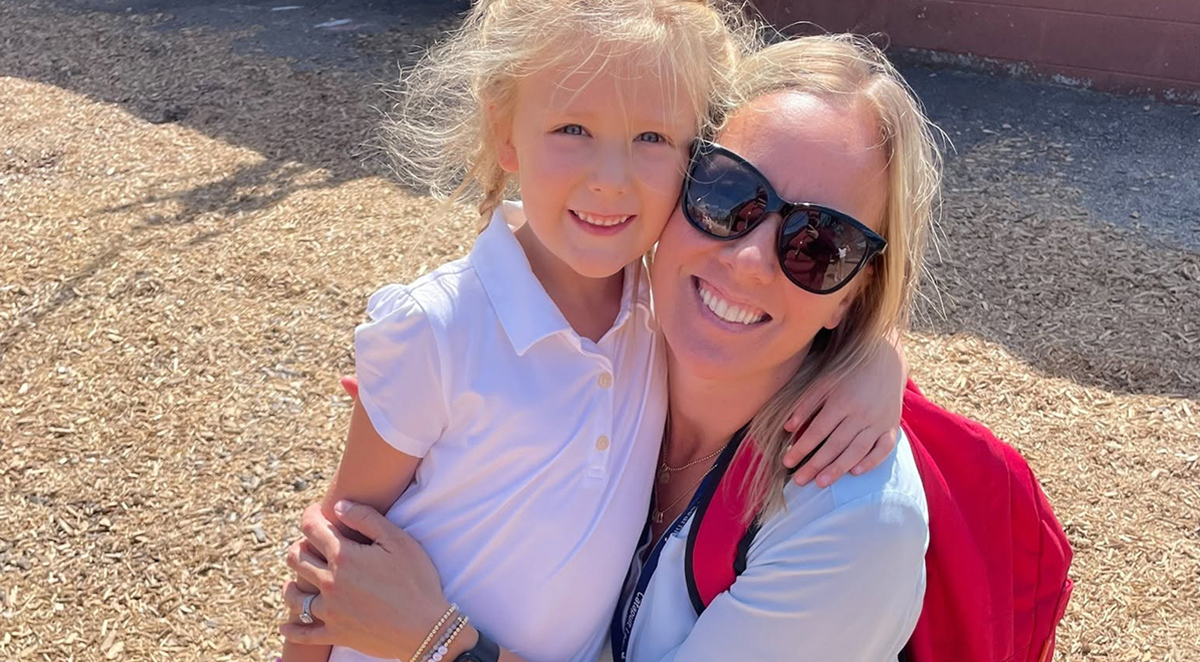
Enrollment paperwork is finished, the tuition plan is set, and the first day is circled on the calendar. Now it’s time to help your child walk into an unfamiliar building, find a seat in an unfamiliar classroom, and come home feeling like they belong there. Preparing a child for a new school has to do with familiarity, routine, and honest conversation in the weeks beforehand.
Families who spend a few intentional weeks on school readiness before the first bell almost always report a smoother September than families who wait and hope for the best. What follows is a practical parent school transition guide built around what actually helps children settle in.
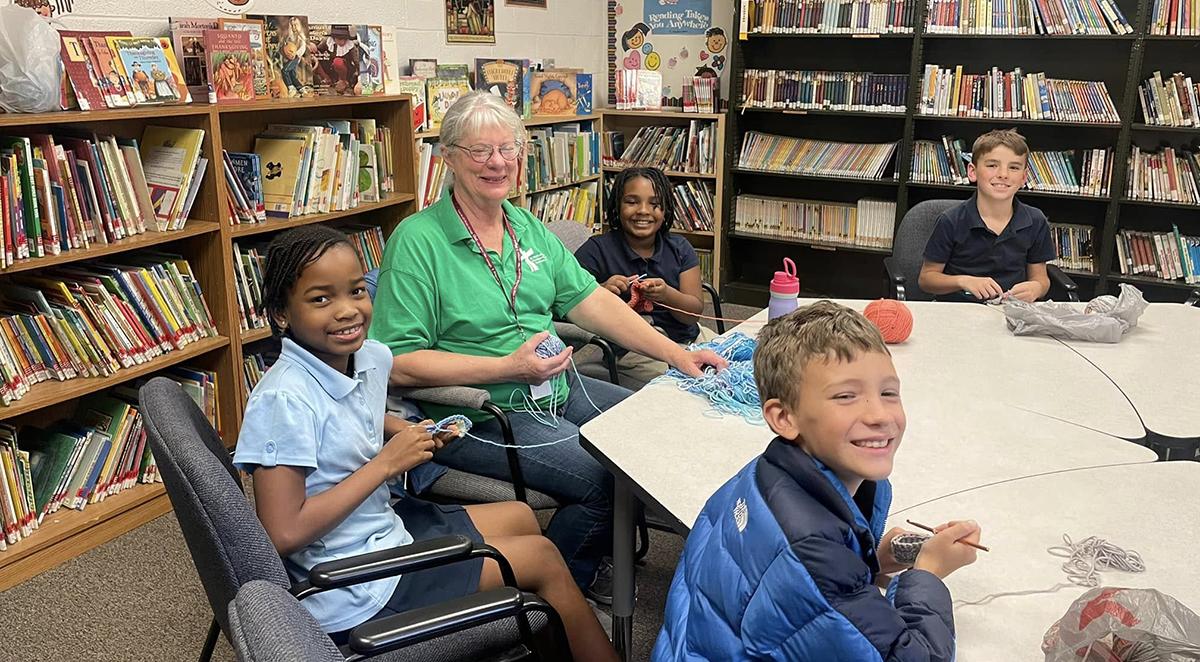
Families ask us all the time what actually makes a Christian school different from the public school down the street, and whether that difference is right for their own children. Some arrive with a lifetime of church behind them. Others come simply because they wanted smaller class sizes, or the assurance that every teacher would know their child by name. This guide walks through what a typical school day looks like, how faith shows up inside academic subjects, how schools like St. Paul Lutheran School in Royal Oak serve families across a wide range of backgrounds, and what parents can reasonably expect as the years go on.
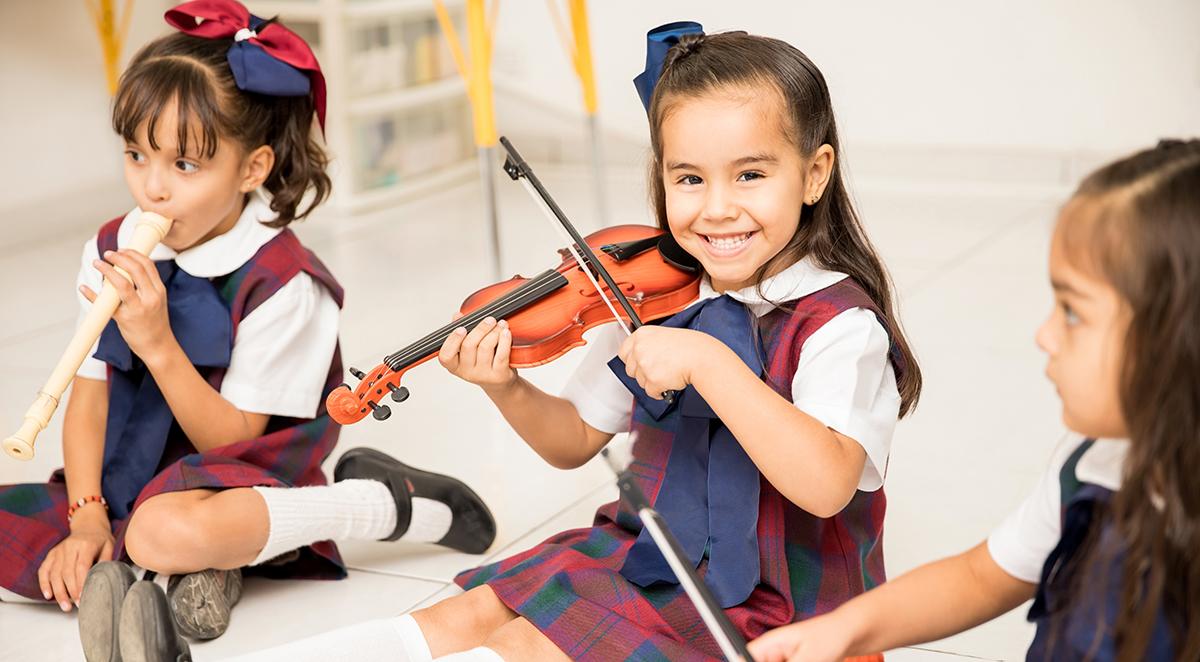
When children learn to play an instrument, sing in a choir, or keep a steady rhythm together, something remarkable happens. They gain skills that benefit them in the classroom and on into adulthood. From sharper memory and stronger reading skills to deeper friendships and greater confidence, the case for music in a child's education grows stronger every year.
At St. Paul Lutheran School in Royal Oak, music is woven into the rhythm of the school week through bands, choirs, handbells, and regular performances. This blog explores the benefits of a thoughtful, well-led music program for shaping the whole child.
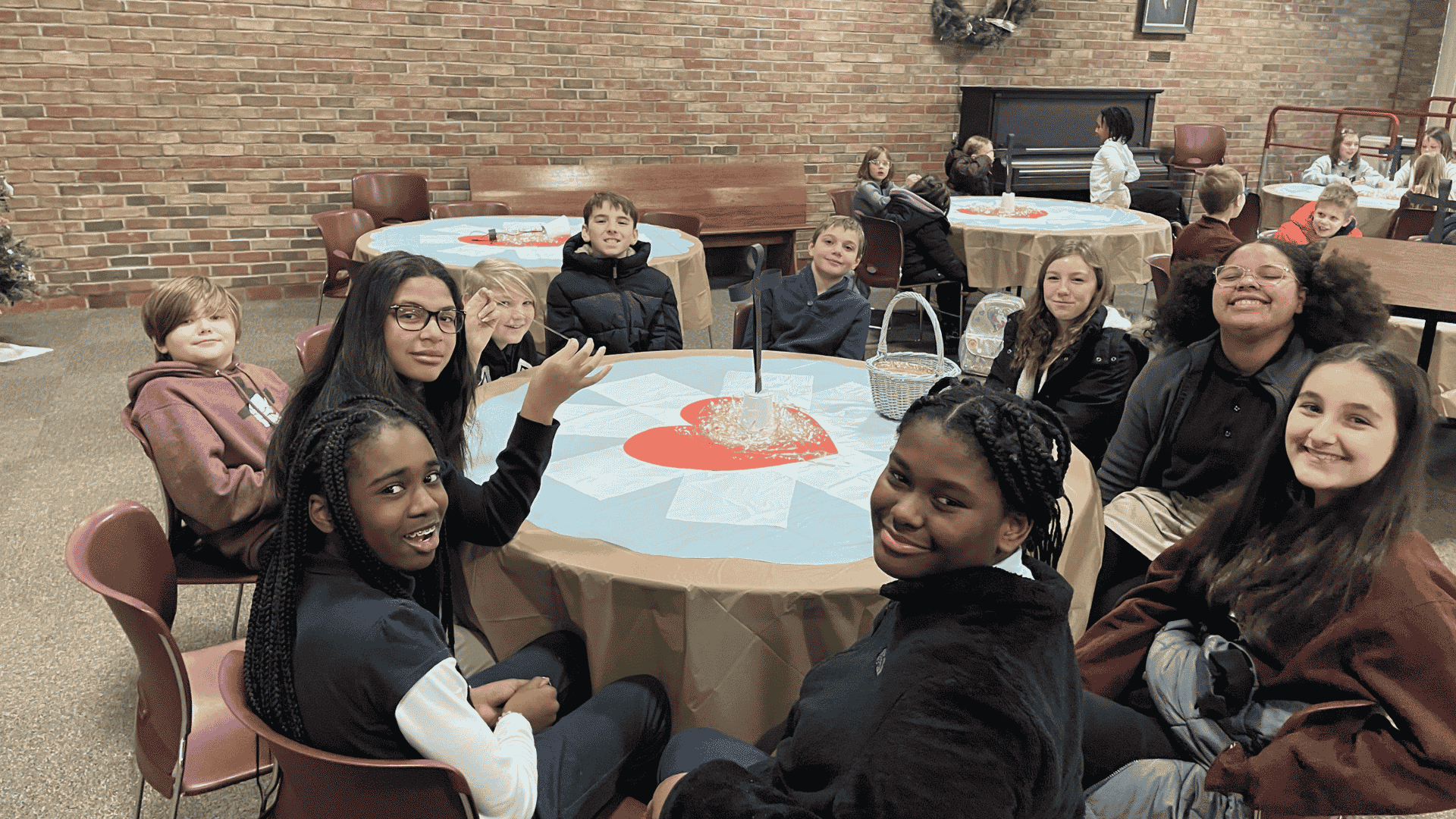
The case for K-8 education is not just anecdotal. Educational research consistently highlights the K-8 school benefits that come from allowing children to learn and grow within a single school community from kindergarten through eighth grade. When students remain in one environment through these formative years, they avoid the disruptive transition that often occurs when moving to a separate middle school during the vulnerable preteen years.

Parents weighing private and public school options will eventually reach a fundamental question: is private school worth the money? The truth is that the value of private education extends beyond report cards and test scores. From higher graduation rates and stronger college acceptance outcomes to long-term benefits of private education that influence career earnings and personal development, private school ROI is something every family should evaluate carefully. In this guide, we'll break down what the research says, address common objections head-on, and help you decide whether private school is the right tuition investment for your family.